Position Purpose
The Art Teacher is responsible for providing engaging, developmentally appropriate, and standards-based art instruction for students in Kindergarten through Grade 12. The teacher develops students’ creativity, artistic skills, visual literacy, critical thinking, and appreciation of art through a variety of artistic experiences.
The Art Teacher creates a positive, inclusive, and well-managed learning environment in which students are encouraged to explore, create, communicate, and develop their individual artistic abilities. The teacher supports the mission and values of AIMS by integrating appropriate Christian values and character development into the learning experience.
Primary Responsibilities
Teaching and Learning
- Plan and deliver effective art instruction for students in K–12.
- Develop age-appropriate lessons that build progressively on students’ knowledge and artistic skills.
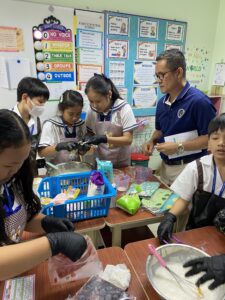
- Teach a broad range of art concepts, processes, techniques, and media, including drawing, painting, design, crafts, sculpture, and other appropriate art forms.
- Provide opportunities for students to develop creativity, imagination, observation, visual communication, and artistic expression.
- Adapt instruction and assignments to accommodate different ages, abilities, interests, and learning needs.
- Encourage students to experiment, take creative risks, and develop confidence in their artistic abilities.
- Connect classroom learning with art history, artists, cultures, and the world around students.
- Integrate technology and appropriate digital tools into art instruction when beneficial.
Curriculum and Assessment
- Develop and maintain curriculum plans, unit plans, lesson plans, and instructional resources aligned with AIMS curriculum standards.
- Establish clear learning objectives and success criteria for art projects and assignments.
- Assess student learning through projects, portfolios, classwork, participation, presentations, and other appropriate methods.
- Provide timely, constructive feedback that helps students improve their artistic skills and understanding.
- Maintain accurate records of student achievement and submit grades and reports according to school requirements.
- Participate in curriculum review and continuous improvement of the K–12 art program.
Classroom and Art Studio Management
- Maintain a safe, organized, clean, and stimulating art learning environment.
- Establish and consistently apply appropriate classroom expectations and procedures.
- Teach students the proper and safe use of art tools, equipment, and materials.
- Maintain appropriate inventory and responsible use of art supplies and equipment.
- Monitor the condition and appropriate storage of student artwork, materials, and equipment.
- Teach students to take responsibility for the care and cleanup of the art classroom.
Student Development and Character
- Foster respect, responsibility, creativity, cooperation, perseverance, and appreciation for the work of others.
- Create an environment in which students from different cultural, religious, and personal backgrounds feel respected and included.
- Encourage students to use their creativity in ways that contribute positively to the school and community.
- Integrate appropriate Christian values and character development into classroom instruction and relationships.
- Recognize and support individual student strengths, interests, and artistic development.
School and Professional Responsibilities
- Participate actively in faculty meetings, Professional Learning Communities (PLCs), professional development, and other school initiatives.
- Collaborate with classroom teachers and other subject-area teachers when appropriate to support interdisciplinary learning.
- Prepare and display student artwork for school exhibitions, special events, classroom displays, and other approved purposes.
- Communicate professionally with parents and guardians regarding student progress and concerns when appropriate.
- Support school activities, programs, and events as assigned.
- Maintain professional conduct and positive working relationships with students, parents, colleagues, and the wider AIMS community.
- Fulfill other reasonable duties assigned by the school administration.
Qualifications
- Bachelor’s degree in Art Education, Fine Arts, Visual Arts, or a related field.
- Appropriate teaching qualification or certification.
- Experience teaching art, preferably in an international or English-medium school.
- Experience teaching students across multiple age levels is preferred.
- Strong knowledge of a broad range of art techniques, media, and instructional approaches.
- Good written and spoken English communication skills.
- Ability to plan and deliver engaging, student-centered instruction.
- Ability to work effectively with students from diverse cultural and religious backgrounds.
- Commitment to professional growth and collaborative work with colleagues.
- Commitment to the mission, values, and educational philosophy of AIMS.
Professional Competencies
The successful candidate should demonstrate:
- Artistic Knowledge and Skill: Strong understanding and practical ability in a broad range of visual arts.
- Instructional Ability: Ability to provide engaging, developmentally appropriate instruction across K–12.
- Creativity: Ability to develop meaningful and varied learning experiences that encourage student creativity.
- Classroom Management: Ability to maintain a safe, respectful, organized, and productive learning environment.
- Differentiation: Ability to adapt instruction to different student abilities, ages, and learning needs.
- Communication: Clear, professional, and respectful communication with students, parents, and colleagues.
- Collaboration: Willingness to work collaboratively with teachers and contribute to the school community.
- Professionalism: Demonstrates reliability, integrity, flexibility, and a commitment to continuous improvement.
Performance Expectations
The Art Teacher is expected to:
- Provide high-quality, standards-based art instruction across K–12.
- Develop students’ artistic knowledge, skills, creativity, and appreciation of the visual arts.
- Maintain a safe, organized, and positive art learning environment.
- Differentiate instruction to meet the developmental and learning needs of students.
- Maintain appropriate curriculum, assessment, classroom, and student records.
- Contribute positively to the professional learning community and school-wide programs.
- Support the mission, values, and character-development goals of AIMS.
Demonstrate professional conduct and maintain positive relationships with students, colleagues, and parents.